Dubai Property Market Enters a More Balanced Phase as Rents Fall 6.2%
- Aug 07, 2026
- News
- 358
In the second quarter of 2026, Dubai's residential properties went through a tempering phase during which the rents decreased due to an increased amount of available housing, but the sale prices stay above their values from the previous year. The numbers imply that Dubai real estate is disengaging from the exceptional conditions it witnessed over the past couple of years rather than entering the cooldown period.
According to CBRE Middle East's latest UAE Real Estate Market Review, average residential rents were down by 6.2% quarter on quarter and 2.6% year on year. In spite of this adjustment in rents, sales prices remained 1.9% higher than a year ago. For the buyers of Dubai properties, increasing availability creates better choices in the residential market.
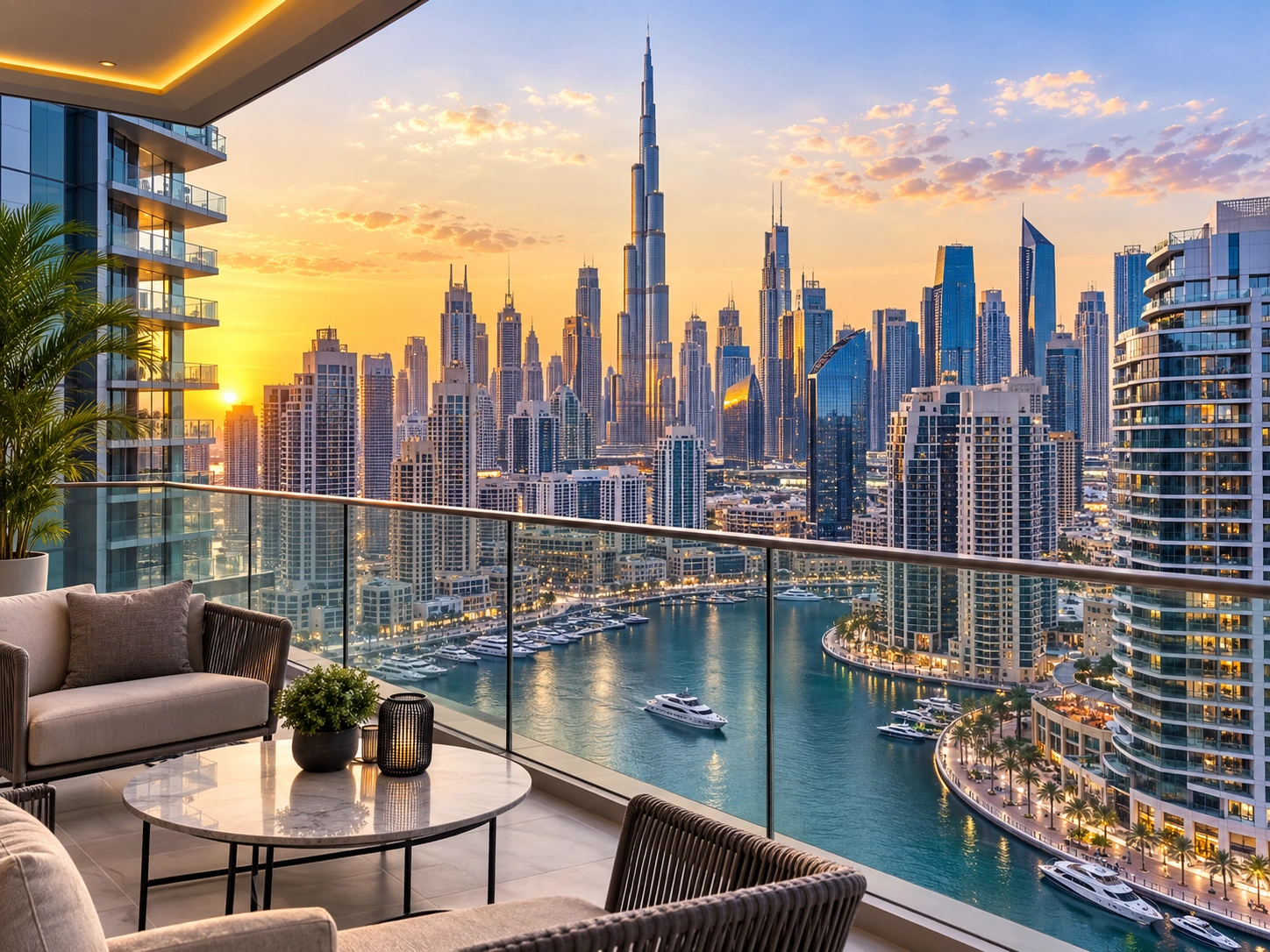
Increasing Supply Provides Opportunities for Buyers and Renters
The market received around 18,000 residential units in Dubai during the first half of 2026. With this increase in supply, some of the pressure that previously led to a surge in rents and prices seems to be easing.
The results from the quarter in the residential market are as follows:
- Around 18,000 units delivered in the market in H1 2026
- Rents reduced by 6.2% quarter-on-quarter
- Rents reduced by 2.6% year-on-year
- Home prices remain 1.9% up year-on-year
The current market offers buyers looking for house in Dubai much more choice of housing and less competition than they were used to during the previous booming period. Tenants are also enjoying much wider options while searching for property for rent in Dubai, especially with the recent completion of new homes.
Sales Activities Plummet in 2026
The first sign of slow down can be seen in the number of residential transactions. The number of residential transactions in Dubai stood at less than 37000 in Q2 2026, which is a decline of 29%, compared to more than 51000 transactions in Q2 2025.
The volume of transactions also suffered significant fall:
- AED 88 billion recorded in Q2 2026
- Over AED 154 billion of transactions recorded in Q2 2025
- Transaction volumes are down 29%.
According to CBRE reasons for decline is softening of demand, fewer new projects and increase in supply of houses in the first half of 2026. Less competitive environment can give buyers better room for negotiation while searching properties for sale in Dubai. At the same time it creates more selective market for commercial properties for sale in Dubai, where location, quality and demand from tenants are key factors.
Demand for Office Space Continues to Be Strong
The office market in Dubai remains strong despite a fall in residential transactions. Rents in the market increased by 13% in the second quarter of the year compared to last year. Prime office rents rose by 16%. Average occupancy in office buildings remains at a level of 94%, which means that Grade A office space has limited availability in most locations.
The majority of the demand came from companies in the DIFC, TECOM, and DMCC areas, which continue leasing offices in newly-built office buildings. The low supply in the office rental market boosts demand for offices for rent in Dubai, especially for those clients willing to rent offices in prime locations. This demonstrates that the Dubai real estate market does not perform uniformly, with the office market showing much stronger growth than the residential real estate market.
Retail Maintains High Occupancy
The retail property sector in Dubai exhibited strength and resilience in the light of changing consumer patterns and lower tourist spendings.
The main numbers in the retail sector include:
- Approximately 98% occupancy levels
- Increase in retail rents of around 3%
- No significant change in occupancy levels compared to last year
- An increase in new retail developments
One of the projects that have been mentioned is Al Khail Avenue in Dubai, which will create additional retail space in the city. For investors, the change means that property investment in Dubai requires a much closer look at the rental income, supply, and performance of individual communities. In assessing retail shops for rent in Dubai, high occupancy levels demonstrate a high level of demand for tenants, although the location and the volume of future competitive supply remain of great importance.
Industrial and Logistics Property Continues to Grow
Industrial real estate and logistics proved to be one of the best performing segments of the real estate market in the UAE. Growth in manufacturing investments, due to localization of supply chain, and foreign direct investments, allowed demand to grow, while rents saw significant growth in Dubai Industrial City, Dubai Investments Park, and National Industries Park.
Such good performance indicates the importance of logistics infrastructure along with the industrial property strategy in the wider economy of Dubai. It is for this reason that investors searching for warehouses for sale in Dubai are likely to find many opportunities in the already established industrial areas of Dubai with healthy demand. For many businesses and investors, real estate investment Dubai is no longer limited to residential property, but now includes industrial and logistics real estate.
The Implications of Q2 Data for Investors
According to CBRE findings, Dubai is expected to see a more stabilized real estate cycle rather than an overall downturn in the industry. There has been a decline in the rental prices of residential properties as the number of supply has been increasing, even though the price of the property is still above the level of 2025. In the meantime, office, retail and industrial properties still continue to show stability in the real estate industry.
Dubai Marina, DIFC, Barsha Heights, Dubai Industrial City and Dubai Investments Park are some of the areas that can demonstrate the many different demand patterns that play in Dubai. Consult a qualified real estate broker in Dubai to find information regarding the demand and pricing in each community. For investors that are in hunt for the best real estate in Dubai, this recent data serves as evidence that it is crucial to evaluate virtually any asset based on its basic fundamentals and not just the overall growing trend.
ALSO READ
- Emaar and ADCB Simplify Home Financing with Pre-Handover Mortgage Solution
- Dubai Property Sales Reach AED87.9 Billion as Market Adapts to Slower Q2 Activity
- Indicators Behind Dubai's Property Market Strength
Popular Categories
Popular Posts



Top 5 Areas for Rental Yield In 2026 In Dubai