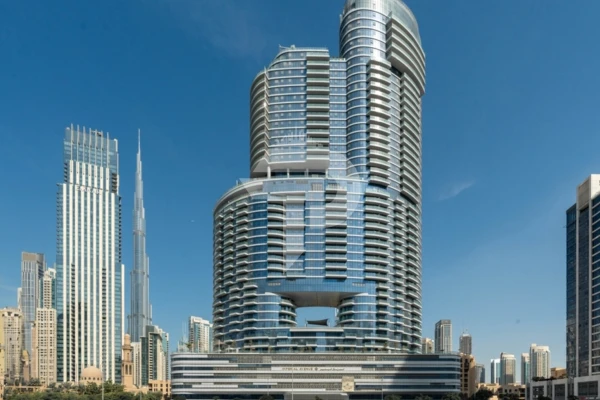
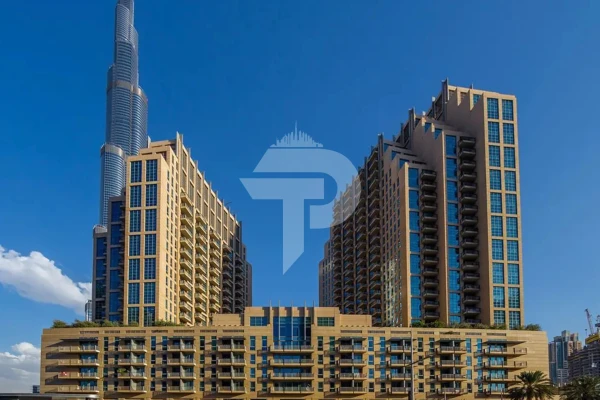
ABOUT DOWNTOWN DUBAI
Downtown Dubai is a landmark mixed-use district developed by Emaar Properties, positioned at the heart of the city. Designed as Dubai’s central hub, the community seamlessly blends luxury residential towers, premium retail, hospitality, cultural attractions and commercial spaces. Home to globally recognised icons such as Burj Khalifa and Dubai Mall, Downtown Dubai represents high-rise urban living at its finest.
Its strategic location provides direct connectivity to Sheikh Zayed Road (E11) and Financial Centre Road (D71), ensuring easy access to Business Bay, DIFC, Dubai International Airport and key lifestyle destinations across the emirate.
IN A NUTSHELL
- Mixed-use development in central Dubai
- Developed by Emaar Properties
- Home to Burj Khalifa and Dubai Mall
- High-rise apartments, penthouses and branded residences
- Strong rental demand and capital appreciation
COMMUNITY OVERVIEW
Downtown Dubai is one of the most vibrant and prestigious communities in the city. The area is designed around wide boulevards, pedestrian-friendly walkways and landscaped open spaces, creating a balanced live-work-play environment. Residents enjoy proximity to world-class dining, cultural venues such as Dubai Opera, waterfront promenades and year-round events centred around the Dubai Fountain.
The neighbourhood attracts professionals, families and investors alike, thanks to its central location, premium lifestyle offerings and strong short-term and long-term rental demand.
PROPERTIES IN DOWNTOWN DUBAI
Downtown Dubai offers a diverse range of residential options, including apartments, luxury penthouses and serviced residences.
- Apartments are primarily located in high-rise towers such as The Residences, South Ridge, 29 Boulevard, Boulevard Point, Burj Vista and Forte. These buildings typically feature studios to 4-bedroom layouts, with many units offering views of Burj Khalifa, Dubai Fountain or the city skyline.
- Luxury penthouses are available in select developments including Il Primo, Opera Grand and Burj Khalifa. These homes feature expansive layouts, premium interiors and exclusive amenities.
- Branded and serviced residences are found in towers such as Address Boulevard, Address Fountain Views and Vida Residences, offering hotel-style services, making them particularly attractive to investors and short-term rental buyers.
RENTAL TRENDS IN DOWNTOWN DUBAI
Apartments:
- Studio apartments average around AED 82,000 per year
- 1-bed apartments average around AED 153,000 per year
- 2-bed apartments average around AED 286,666 per year
- 3-bed apartments average around AED 492,333 per year
- 4-bed luxury apartments can reach around AED 1.95M per year
- 5-bed ultra-luxury apartments can exceed AED 4.0M annually
Villas (Limited Supply):
- 1-bed villas average around AED 143,000 per year
- 3-bed villas average around AED 400,000 per year
Overall, Downtown Dubai consistently ranks among the top areas for rental yields in central Dubai, supported by corporate tenants and short-term leasing demand.
SALES TRENDS IN DOWNTOWN DUBAI
Apartments:
- Studio apartments start from approximately AED 1.38M
- 1-bed apartments average around AED 2.34M
- 2-bed apartments average around AED 5.53M
- 3-bed apartments average around AED 8.42M
- 4-bed luxury apartments can exceed AED 28.6M
- 5-bed ultra-prime residences can reach AED 60.6M+
Villas:
- 3-bed villas average around AED 12.16M
Downtown Dubai remains one of the most liquid apartment markets in Dubai, with steady end-user and investor interest.
MOST POPULAR BUILDINGS / DEVELOPMENTS
- Burj Khalifa
- Old Town (low-rise, Arabian-style residences)
- Opera District
- Forte Towers
- The Address Residences Dubai Opera
- Burj Vista
- Boulevard Point
These developments are favoured for their views, amenities, location and strong rental performance.
TRANSPORTATION & CONNECTIVITY
- Downtown Dubai is well-served by public transport and major road networks.
- Direct access to Sheikh Zayed Road (E11) and Financial Centre Road (D71)
- Burj Khalifa / Dubai Mall Metro Station on the Red Line
- Covered Metro Link Bridge connecting the station to Dubai Mall and Downtown
- RTA bus routes including Route 27 and feeder buses such as F13
- Taxis and ride-hailing services readily available at all times
Despite occasional congestion during peak hours and events, connectivity remains one of Downtown’s strongest advantages.
MOSQUES, CHURCHES & TEMPLES NEAR DOWNTOWN DUBAI
- Mosques within and around Downtown include Sheikha Abdullah Salem Mosque and Al Ghafoor Mosque, with prayer facilities also available inside Dubai Mall.
- Churches such as St. Mary’s Catholic Church, Holy Trinity Church and Dubai City Church in Oud Metha are approximately 15 minutes away by car.
- Hindu temples in Bur Dubai are accessible within a 20-minute drive.
SCHOOLS & NURSERIES NEAR DOWNTOWN DUBAI
Nurseries within and near Downtown include:
- Toddler Town British Nursery
- Blossom Nursery
- Jumeirah International Nursery
For older students, JSS Private School in Al Safa offers the CBSE curriculum and is easily accessible via Sheikh Zayed Road.
CLINICS & HOSPITALS NEAR DOWNTOWN DUBAI
Healthcare options include Aster Royal Clinic, Mediclinic, Al Borj Medical Center and J’Adore Medical Clinic within the area. Major hospitals across Dubai are reachable within a short drive, ensuring comprehensive medical access.
MALLS & SHOPPING
- Dubai Mall
- Souk Al Bahar
- Bay Avenue (near Business Bay)
Dubai Mall serves as the primary retail and entertainment destination, offering luxury shopping, dining, leisure attractions and waterfront views.
FUTURE DEVELOPMENTS / REAL ESTATE OUTLOOK
- Continued demand driven by limited new residential supply
- Strong investor interest in branded and luxury residences
- Ongoing enhancements to public spaces and pedestrian infrastructure
- Downtown remains a flagship location supporting long-term capital growth
The outlook for Downtown Dubai remains positive and stable, supported by its iconic status and central positioning.
THINGS TO CONSIDER
Downtown Dubai offers an unmatched urban lifestyle with premium amenities and proximity to business hubs. However, traffic congestion during peak hours and higher living costs compared to suburban areas may be a consideration for some residents.